To prepare for roofing debris removal, wait until the roofing work is done, sort the tear-off waste, clear the work area, and choose a safe pickup spot. Keep people, pets, cars, and tools away from loose shingles and nails. Share access details with Olympia WA Junk Removal before collection day.
Table of Contents
- What Should You Do Before Roofing Debris Removal?
- Which Roofing Materials Need Special Handling?
- How Can You Make the Work Area Safe?
- Where Should Roofing Debris Be Placed for Collection?
- What Information Should You Share Before the Removal Appointment?
- How Long Does Roofing Debris Removal Usually Take?
- What Should You Check After Roofing Debris Is Removed?
What Should You Do Before Roofing Debris Removal?
Roofing debris removal works best after the roofer finishes all tear-off and installation work. The owner or contractor should make sure no more shingles, underlayment, flashing, or lumber will be added. This helps the crew collect the full load in one visit.
Walk around the property before the scheduled pickup. Look near roof edges, gutters, driveways, flower beds, porches, and side yards. Small pieces can travel farther than expected during tear-off. This check also helps keep roofing waste apart from items that should stay.
Confirm the Roofing Project Is Complete
Final cleanup should wait until roof repairs or replacement work are done. If workers still need to remove old materials, place new shingles, or cut wood, more debris may appear. Waiting can prevent repeated handling and keep the staging area clear.
The contractor should also move tools, ladders, tarps, and unused supplies. These items can block access or look like waste during collection. Keep reusable materials apart so the pickup area is easy to understand.
Identify the Materials That Need to Be Hauled Away
Roofing waste may include asphalt shingles, wood shakes, underlayment, felt, flashing, drip edge, nails, damaged plywood, and small trim pieces. Some homes also have old vents, pipes, or other roof parts to remove. A short list gives the crew a clearer picture of the job.
Olympia WA Junk Removal can help Olympia property owners decide what belongs in the debris pile. The same planning helps contractors working across Olympia, including Downtown Olympia and West Olympia. It can also help with jobs near Lacey, Tumwater, Yelm, DuPont, and nearby communities. Appliances, hot tubs, and household junk should be listed separately because they are not part of a normal roofing load.
Which Roofing Materials Need Special Handling?
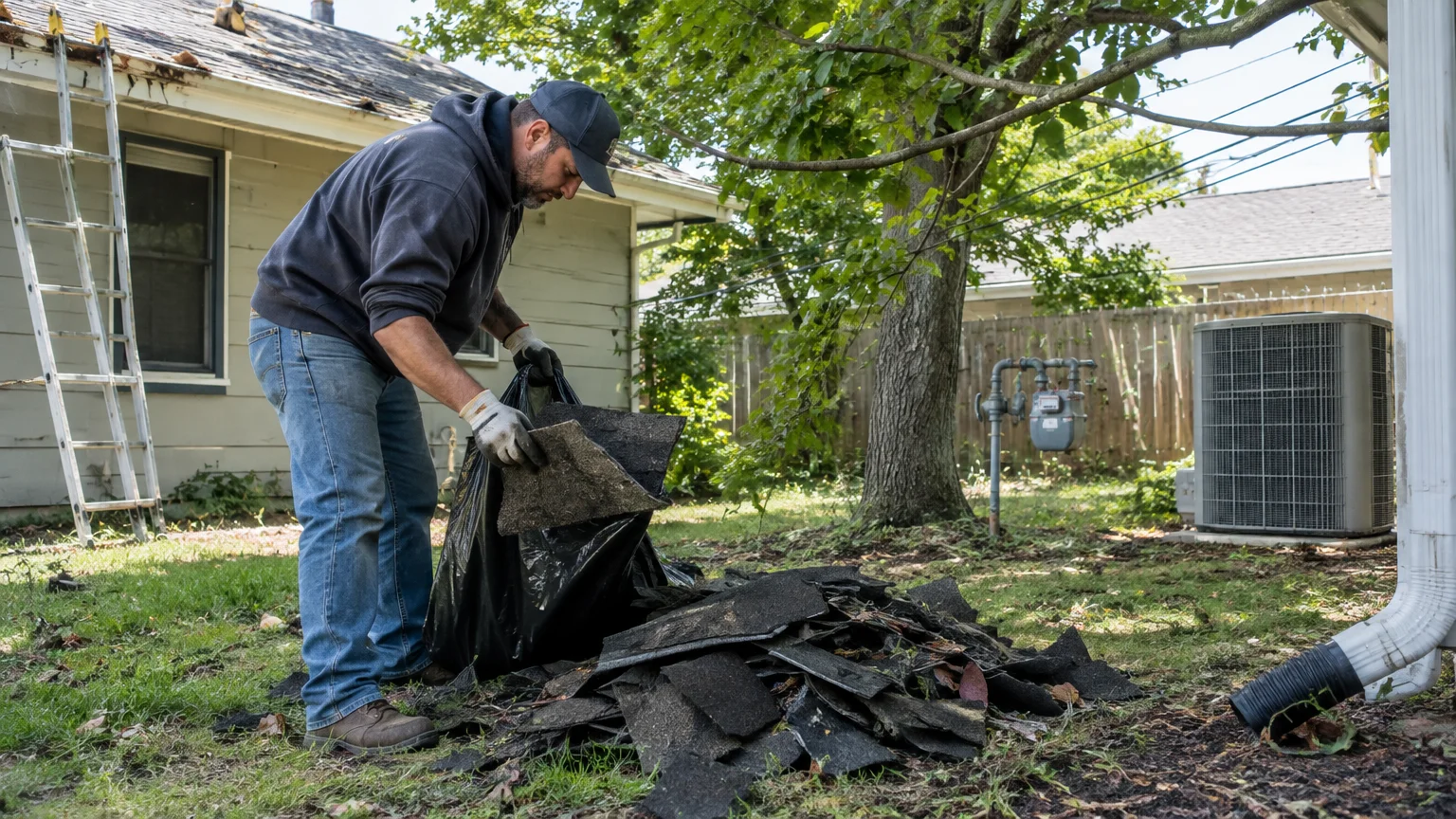
Most roofing tear-off waste needs careful lifting, sorting, and loading. Large shingle piles can be heavy. Nails and flashing can cut skin or damage tires. Workers should wear gloves and strong shoes and use safe lifting methods.
Some roofing waste may need extra review before removal. The roof’s age and condition can matter. If a contractor thinks an older material may contain asbestos or another controlled substance, stop the work and follow local rules for testing and disposal.
Shingles, Underlayment, Flashing, and Wood
Asphalt shingles are common after a roof replacement. They may have sharp edges and exposed nails. Underlayment is light but can spread across a yard or driveway. Metal flashing and drip edge need care because their cut edges can be very sharp.
Wood pieces may include broken decking, trim, shakes, or damaged framing. Place long boards so they cannot roll or fall. Keep small nails and fasteners in a strong container. Loose bags may tear while they are being lifted.
When Roofing Materials May Require Additional Safety Precautions
A homeowner should not handle suspected hazardous materials without help from a qualified professional. The same rule applies to debris mixed with chemicals, damaged electrical parts, or unknown dust. Roofing crews and junk removal providers can explain what should remain untouched until it is checked.
Tell the crew about storm damage, water damage, mold concerns, or unstable roof sections. These details help the crew plan a safer approach. Olympia WA Junk Removal can review the debris type before the appointment so the collection plan fits the site.
How Can You Make the Work Area Safe?
Clear the work area before anyone starts loading debris. People, pets, cars, outdoor furniture, and lawn tools should stay away from the collection zone. This lowers trip risks and gives workers room to carry heavy or sharp materials.
A homeowner can safely make simple checks from the ground. Do not climb onto the roof or enter an unstable area to search for waste. Roof edges, damaged decking, and loose ladders should be left to trained roofing workers.
Keep People, Pets, Vehicles, and Outdoor Equipment Clear
Move cars out of the loading path when possible. Keep gates unlocked or arrange access before the crew arrives. Pets should stay indoors or in a secure area. This is especially important when workers carry large loads or use carts.
Move outdoor items away from loose shingles and nails. This includes grills, toys, hoses, planters, bicycles, and tools. If an item cannot be moved, point it out before work begins.
Watch for Nails, Sharp Edges, and Unstable Debris
Nails can hide under shingles, tarps, leaves, and grass. A ground-level check can find many hazards, but it may miss small fasteners. Thick gloves and closed shoes can help with simple cleanup. Children should never collect roofing nails.
Do not stack loose piles near stairs, doors, drains, or steep slopes. A shifting pile can block an exit or damage a finished surface. If the area seems unsafe, stop and ask the roofing contractor or removal crew for help.
Where Should Roofing Debris Be Placed for Collection?
Place roofing debris in a stable area with a clear path to the vehicle. A driveway or firm surface is often easier than soft soil, but each property is different. The staging spot should not block emergency access, neighbors, drains, or public walkways.
Keep debris contained and low enough to stay stable. Secure light underlayment so wind cannot spread it. Sharp metal and loose nails should stay in suitable containers when possible.
Choose an Accessible and Stable Staging Area
The crew needs room to walk, lift, and carry materials. A narrow side yard may work when the path is clear. A fenced area may need access planning before collection day. Long carry paths, stairs, gates, and steep slopes can change the best staging plan.
Do not place waste beneath low branches or near overhead lines. Keep it away from gas meters, electrical equipment, outdoor units, and water drains. These simple choices help protect the property during loading.
Protect Driveways, Landscaping, and Finished Surfaces
Heavy debris can scratch concrete, crush plants, and mark pavers. Protective boards or strong coverings may help when approved for the surface. Ask the roofing contractor or removal crew before placing anything that could trap water or cause damage.
Keep landscaping visible around the pile. Branches, garden beds, retaining walls, and irrigation parts can hide beneath loose shingles. A clear staging area helps the crew remove waste without harming finished work.
What Information Should You Share Before the Removal Appointment?
Tell the removal provider what materials are ready, where they sit, and how the crew will reach them. Clear details help prevent delays and reduce surprises on collection day. Photos may also help if the provider offers a way to review them before the visit.
A useful description includes the roof type, main debris materials, number of piles, and whether the debris is loose or bagged. Mention stairs, gates, narrow drives, soft ground, and parking limits as well.
Describe the Debris Type, Volume, and Location
You do not need to measure every piece. A plain description is enough to start, such as several piles of asphalt shingles beside the driveway. Also say whether the load includes wood, metal flashing, underlayment, nails, or old roof fixtures.
Explain mixed loads early. A roof cleanup may include materials from a shed, garage, or detached building. Separating roofing waste from general junk makes the work easier. It can also help the crew bring the right equipment for construction debris or demolition debris.
Mention Access Limitations and Site Conditions
Access details matter at homes, businesses, and active job sites. Mention locked gates, one-way drives, low branches, underground work, soft soil, and areas that cannot support heavy movement. Contractors should also say if other trades will still be working nearby.
Olympia WA Junk Removal serves customers and nearby parts of the area. Sharing accurate site details helps the team plan a safer path. The collection plan can be confirmed after the job conditions are clear.
How Long Does Roofing Debris Removal Usually Take?
The cleanup time depends on the amount of debris, material mix, distance to the loading area, and site layout. A small pile near an open driveway is usually simpler than many piles spread around a large property. Access, weather, stairs, and sorting needs can also change the work.
A roofing contractor may sweep some areas before the removal crew arrives. Even then, hidden nails and small pieces may remain near edges and landscaping. A final pass after loading helps confirm that the site is ready for normal use.
Factors That Affect the Cleanup Timeline
The main factors include the number of roof layers, structure size, and types of materials removed. Wet shingles may be harder to handle than dry materials. Heavy wood, metal pieces, and damaged decking may also require slower movement.
A blocked driveway or long carry path can add work. So can a narrow gate, steep slope, or need to protect plants and finished surfaces. Sharing these conditions early helps the crew make a more useful plan.
How Removal Fits Into the Final Project Cleanup
Roofing debris removal is one part of a complete post-project check. The contractor may still need to inspect flashing, gutters, vents, trim, and roof edges. The property owner can then check the ground for loose waste and make sure paths, driveways, and outdoor areas are usable.
The final cleanup may also include packing materials, damaged tools, or unrelated junk. List those items before collection. A clear scope keeps roofing debris removal focused. It also helps with other needs, such as professional furniture removal or retail removal FAQs for a business cleanup.
What Should You Check After Roofing Debris Is Removed?
After removal, walk around the building and check the driveway, lawn, walkways, and work areas. Look for loose shingles, nails, metal scraps, wood splinters, and pieces beneath shrubs. Stay on the ground and do not climb onto the roof.
Check that gates, fences, drains, and outdoor equipment remain clear. Report any damage or missed debris promptly to the contractor or removal provider. A final check helps close the project with fewer loose ends.
Inspect the Roof Perimeter and Surrounding Property
Look along walls, corners, gutters, downspouts, porches, and areas beneath roof valleys. Debris can collect where wind or water moves it. Check the main work area and nearby places where workers carried materials.
Simple sweeping may be safe on firm ground when no sharp or unknown waste is present. A magnet tool can help find some loose nails, but it should not replace a visual check. Keep children and pets away until the area is confirmed safe.
Key Takeaways for a Cleaner, Safer Post-Roofing Site
- Confirm the roofing work is complete before scheduling final debris removal.
- Separate shingles, wood, metal, underlayment, and unrelated household junk.
- Keep people, pets, vehicles, and outdoor items away from loose debris.
- Choose a stable staging area with a clear path for the removal crew.
- Share access limits, site hazards, and material details before collection.
Frequently Asked Questions
How can I get my property ready for roofing debris removal?
First, confirm the project is finished, identify the debris, clear the work zone, and choose a safe staging area. Share access limits and unusual materials before the appointment. These steps help the crew work safely and finish the cleanup with less disruption.
What cleanup can I safely handle myself?
A homeowner can make simple ground checks and handle light cleanup when the area is stable. Roofing work, unstable materials, suspected hazardous waste, and large heavy piles should go to qualified workers. Never climb onto a damaged roof to remove debris.
Where should I put old shingles before the crew arrives?
Place old shingles in a stable, accessible area that does not block doors, drains, cars, or public paths. Keep the pile low and secure. A driveway may work well, but protect the surface when needed and tell the removal provider its exact location.
What should I do with loose roofing nails?
Keep loose nails away from children, pets, cars, and walking paths. A homeowner may make a careful ground-level check with proper footwear and a magnet tool. A large amount of nails or an unsafe area should be handled by the roofing or removal crew.
Can roofing waste go in the same pile as other household junk?
Roofing debris may sometimes be collected with other junk, but tell the provider about the mixed load first. Appliances, hot tubs, furniture, chemicals, and roofing materials may need different handling. Separating items makes the scope clear and helps the crew plan a safe removal method.
Conclusion
Good preparation makes roofing debris removal safer and easier. Finish the roof work, sort the waste, clear the area, choose a stable pickup spot, and share honest site details. Olympia WA Junk Removal can help property owners and contractors plan the next step. Contact us to arrange roofing debris removal for the completed project.