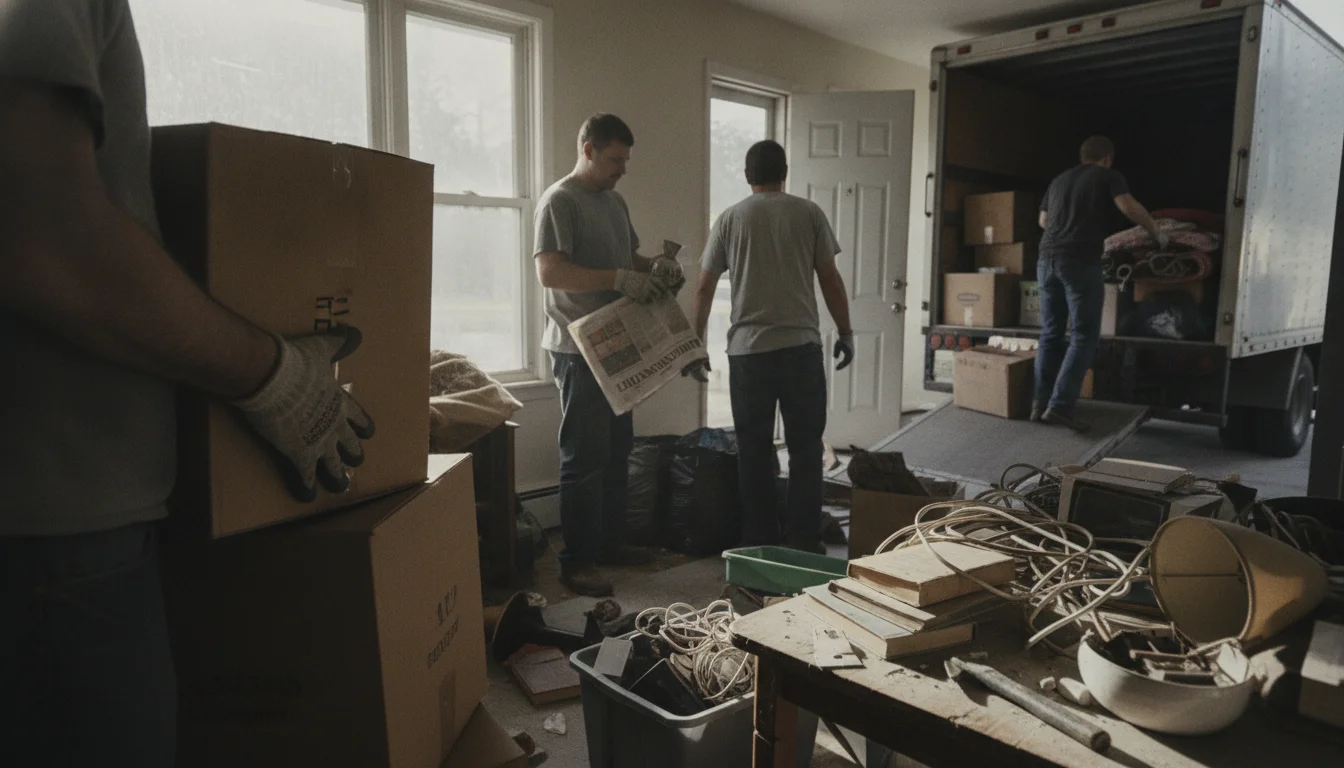
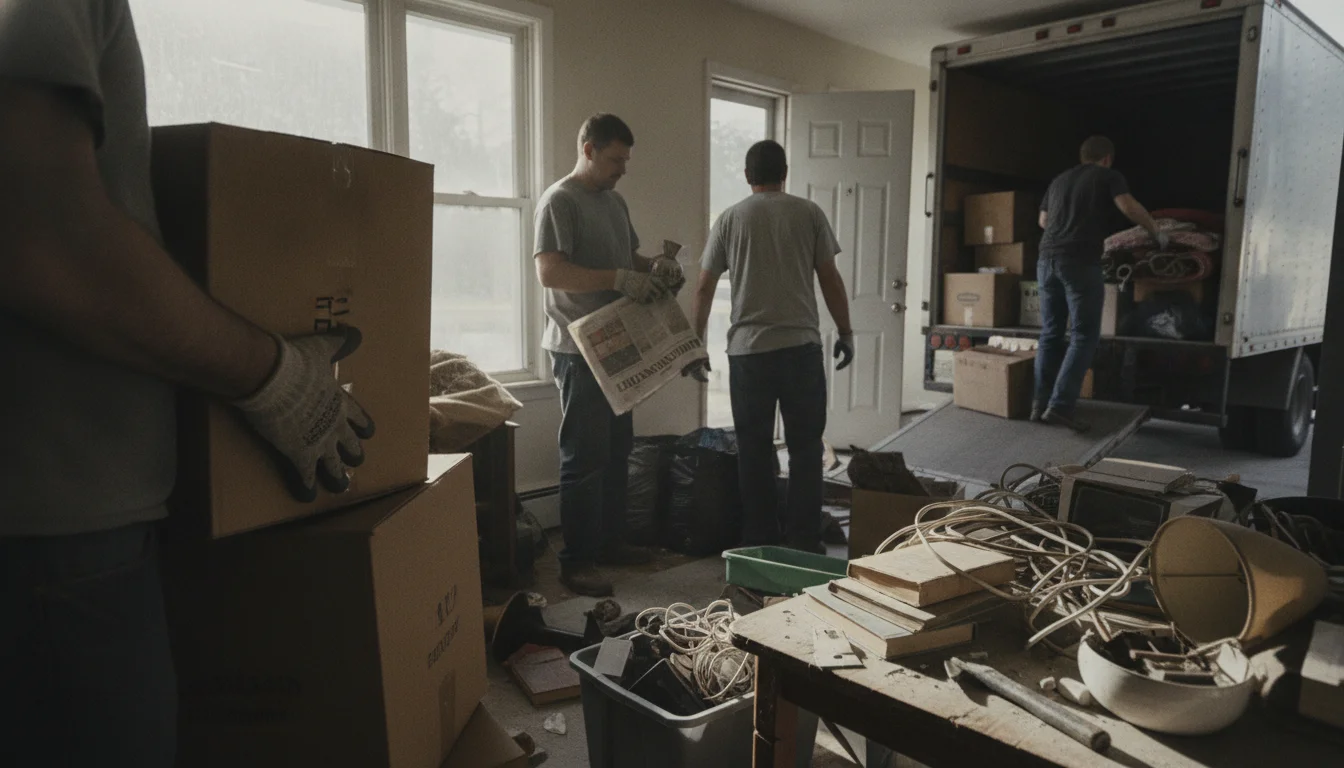
Imagine the day after a big move in Olympia: the rooms echo, boxes stack up, and you uncover long-forgotten things. Now picture a friendly local crew arriving, sorting quickly, carrying the heavy items, and leaving every room neatly swept. That is when a house cleanout service feels simple and real, especially with a team that knows Olympia well.
Executive summary: A house cleanout service is a full, organized removal of unwanted items from part or all of a home, with hauling and proper disposal included. This guide explains what’s covered and what isn’t, how the step-by-step process works, how costs are typically structured, and how to prepare your space for a smooth experience in Olympia. You’ll also see how Olympia WA Junk Removal plans efficient, respectful cleanouts from the first walkthrough to the final sweep.
Key takeaways
- A house cleanout service removes unwanted items from any part of a home, then hauls, donates, recycles, or disposes of them properly.
- Whole-home and partial cleanouts follow the same steps; scope and access affect time and crew needs.
- Quotes reflect volume, labor, access, and disposal routes; add-ons like light demolition are planned ahead.
- Preparing clear pathways, labeling keep/donate/discard items, and arranging parking speeds the job.
- Responsible donation and recycling reduce landfill use and follow Olympia and state requirements.
A house cleanout service is a full, organized removal of unwanted items from part or all of a home, including haul-away and proper disposal. This article covers what’s included, what isn’t, the process from estimate to final sweep, and practical prep tips. It also shows how Olympia WA Junk Removal supports homeowners with a stress-free plan from the first visit to the tidy finish.
Table of Contents
- What a House Cleanout Service Covers
- The Step-by-Step Cleanout Process
- What Isn’t Included and Add-On Options
- Pricing: How House Cleanout Costs Are Calculated
- How to Prepare Your Home Before the Crew Arrives
- Responsible Disposal, Donation, and Recycling
- Timelines, Scheduling, and Choosing a Provider
What a House Cleanout Service Covers
A cleanout can focus on a single room or span the entire home. Whole-home cleanouts touch every space, from bedrooms to basements, while partial cleanouts target specific areas such as a garage, attic, or storage room. With either approach, you get the crew, trucks, tools, and a clear plan for removal along with a light tidy-up before the team departs.
Typical rooms include living rooms, kitchens, bedrooms, bathrooms, basements, attics, and garages. Crews remove furniture, boxes, clothing, small electronics, and general household junk. For many Olympia homes, that can extend to outdoor items like patio sets or bagged yard waste. You do not have to stage items at the curb—teams carry them out from where they sit.
Common items removed include sofas, tables, chairs, dressers, mattresses, box springs, rugs, small appliances, and toys. Seasonal decor, sports gear, and storage bins are frequent add-ons. Large appliances—refrigerators, freezers, and similar units—can be removed if handled to code, which usually involves proper refrigerant recovery before hauling. For bigger projects, a house cleanout often pairs well with Attic & Basement Cleanout in Olympia, WA or Residential Junk Removal in Olympia, WA to complete the job efficiently.
A reliable provider sorts as they work—separating items to keep, donate, recycle, or discard. Donation-ready goods are set aside and sent to local partners when possible. Recyclables move to appropriate streams. The remainder goes to approved disposal sites. Many teams also include basic sweeping and a quick final check so the space truly feels complete.
Whole-home vs. partial cleanouts
Whole-home cleanouts fit estate situations, downsizing, and major moves. Partial cleanouts are great for targeted goals like reclaiming a garage or prepping a guest room. The steps are similar across both; the difference lies in how much time, crew, and truck space the job requires.
Common rooms and items typically removed
Expect removal from high-traffic areas and deeper storage zones. Loads often mix furniture, boxes, clothing, small appliances, and bagged trash. Specialty items can require extra handling, and a professional will flag these during the walkthrough or estimate.
The Step-by-Step Cleanout Process
Cleanouts follow a predictable path so you always know what’s next. It begins with a quick call or online form and often a short visit to see the space. This on-site look helps define the plan, crew size, and truck needs. If a visit isn’t possible, detailed photos and an inventory list can work. House cleanout service projects in Olympia commonly pair an estimate with a dependable time window for the big day.
On service day, the crew arrives in uniform, confirms the plan, and protects floors and doorways. They verify what to remove and what to leave—clear labels help, and a brief walkthrough saves time. The team then removes items room by room, carefully carrying, loading, and stacking the truck so fragile items don’t shift.
Sorting happens as they go. Reusable items are kept clean and separate. Recyclables get their own section. Crews check for hazards like paints, chemicals, or appliances with refrigerant. When needed, certified partners handle those items per local and federal rules, keeping your home safe and ensuring materials don’t end up in the wrong stream.
After removal, crews sweep floors, wipe surfaces if needed, and take up the protective coverings. A tidy sweep isn’t a deep clean, but it delivers a finished look. Many providers also offer donation receipts when available, so you can see where goods went.
From on-site estimate to final sweep
- The team reviews scope and access.
- Work areas get protected.
- Items are removed, sorted, and loaded.
- The crew sweeps and tidies.
- You walk through to confirm results.
Post-cleanout walkthrough and verification
A final walkthrough lets you inspect each room. The lead confirms that keep items stayed in place. If something small was missed, they address it immediately. Some teams also share simple donation and recycling notes when those options were used.
What Isn’t Included and Add-On Options
Not everything can go on the truck. Hazardous waste is a separate category and includes fuels, some chemicals, and certain paints. These materials follow strict rules and typically must go to a county or city drop-off site. The U.S. Environmental Protection Agency explains how household hazardous waste must be handled to protect health and the environment (EPA HHW basics).
Refrigerators, freezers, and AC units may contain refrigerant. By law, refrigerant must be recovered by certified technicians and never vented. The EPA outlines these requirements under the Clean Air Act (EPA refrigerant management). A good provider will arrange proper recovery before hauling the unit.
Firearms, ammunition, and fireworks require special handling. Medical waste and sharps also need approved disposal channels. Large volumes of dirt, rock, or concrete are heavy and may require a different truck or a separate service. Ask about local options for yard debris and tree branches; Olympia and nearby communities often have drop sites or scheduled pickup programs.
Add-on services cover needs that extend beyond straightforward hauling. Light demolition may help with sheds, playsets, and small interior removals like non-load-bearing walls, carpet, or cabinets. Labor-only help is available for moving items within the home. Specialty hauling supports complex items such as pianos, safes, or fitness equipment. These add-ons should be planned in advance so the right tools and crew are ready.
If you’re dealing with a wide mix of items, pairing services can streamline the job. Residential Junk Removal in Olympia, WA is a strong fit for routine clutter. Commercial Junk Removal in Olympia, WA can help if you’re clearing a home office or a storage area used for business.
Restricted and hazardous materials
Expect limits on fuels, chemicals, and medical waste. Appliances with refrigerants require certified recovery. Local, state, and federal rules apply, and a knowledgeable provider will guide you to the right drop-off sites or partners.
Labor help, light demolition, and specialty hauling
These options can include shed tear-downs, carpet pulls, and careful moving of heavy items. They’re not automatically included in every job, so request them at booking to confirm a good fit and proper timing.
Pricing: How House Cleanout Costs Are Calculated
House cleanout pricing reflects the scope and specifics of the work. Costs vary based on the volume of items, labor time, and the disposal or donation routes. Access factors—like stairs and distance to the truck—also play a role. When sorting for donation and recycling is included, it can add steps while reducing landfill use.
Volume—the space your items occupy in the truck—is a major consideration. Labor matters, too: heavier items and longer carries take more time. Access challenges such as stairs, tight hallways, or limited parking can slow the pace. Disposal fees depend on local sites and material types; certain loads require special handling.
Quotes commonly include the truck, crew, load, and a standard sweep. Add-ons—such as light demolition or specialty item handling—are typically outside the standard scope. Many providers share a range before seeing the site and confirm a firm figure after an on-site review. If a visit isn’t possible, a detailed photo set is helpful.
Minimums exist because each job requires a truck and trained crew. Larger jobs may have tiered pricing based on the portion of a truck used. To help the team plan, group items and share clear photos; this makes it easier to schedule the right slot and truck size.
Volume, labor, access, and disposal fees
- Volume: space used in the truck.
- Labor: crew time and effort.
- Access: stairs, hallways, and parking.
- Disposal: site fees and material handling.
Minimums, tiers, and how quotes work
Expect a job minimum and tiers for larger loads. A clear on-site review or a well-documented photo-based estimate leads to a fair, written quote that explains what’s included.
How to Prepare Your Home Before the Crew Arrives
Good preparation saves time and reduces stress. Start by sorting items into four groups: keep, donate, sell, and discard. Use labels on doors or boxes. Move small keep items out of pathways so routes are open. Keep sets together where possible so the team can load quickly and safely.
Walk the path from each room to the door. Remove loose rugs that might shift, clear tripping hazards, and prop doors open if it’s safe to do so. If you have pets, designate a quiet room for them during the visit. Keep your phone charged—quick answers help everything proceed smoothly.
Parking is important. If you can, reserve the closest spot for the truck. Note any low wires, narrow turns, or gate codes. For high-rise or condo jobs in Olympia, check with your building about elevator access windows and any move-in or move-out rules. Share this information with the crew ahead of time so they can bring any extra protection or smaller carts.
Day-of planning is straightforward. Walk the crew leader through the home. Point out keep, donate, and discard zones. Flag any special items. If you want donation receipts, mention it upfront. When pairing House Cleanout in Olympia, WA with Attic & Basement Cleanout in Olympia, WA, confirm both spaces so the team can set an efficient order of operations.
Sorting: keep, donate, sell, discard
- Keep: move to one room or closet.
- Donate: keep clean and boxed if possible.
- Sell: set aside and list later.
- Discard: leave in place; the crew handles it.
Access, parking, and day-of logistics
Clear pathways, secure pets, and save parking near the entry. Share codes, elevator windows, or HOA notes in advance so the team brings what they need.
Responsible Disposal, Donation, and Recycling
A thoughtful cleanout plan channels useful items back into the community. Many charities accept furniture, clothing, small appliances, and housewares. In some areas, mattresses go to recycling or reuse programs. The Mattress Recycling Council explains how mattresses are dismantled into metal, foam, and fiber for new uses (MRC mattress recycling).
Recycling keeps materials in circulation. Metals, cardboard, and some plastics often have local collection streams. Electronic waste—like old TVs and small electronics—follows special rules so heavy metals don’t enter landfills. Your crew can separate e-waste and route it to the appropriate site.
Yard waste can go to compost or mulch programs. Branches and leaves often have local drop sites in and around Olympia. For refrigerators or freezers, the unit must be handled per refrigerant rules before recycling—this is both safer and required.
At the end of the job, you should know what left, where it went, and what remains. Some providers share basic notes or donation slips, when available. This documentation helps you track what was given and supports your personal records.
Key takeaways
- Donation and recycling reduce landfill use.
- Certain items require special handling and partners.
- Ask for donation receipts when they’re offered.
- Local regulations guide disposal options.
- Crews can sort for you during removal.
What can be donated and where it goes
Clean, working items have the best chance for a second life. Furniture, clothing, and housewares often go to local charities. Mattresses may be accepted through area programs or coordinated partners.
Recycling streams and landfill diversion
Metals, cardboard, e-waste, and yard waste each follow a dedicated path. Ask your provider how they keep these streams separate to cut landfill trips and support reuse.
Timelines, Scheduling, and Choosing a Provider
Timelines depend on the project scope. A single room may take a short window, while whole-home cleanouts can run from half a day to a full day. Stairs, heavy items, or long walks can extend timing. Weather may also affect outdoor pathways. A good provider sets a time window and updates you if plans shift.
Scheduling is flexible. Many teams offer weekday and weekend options. The busier seasons often align with moves and spring cleaning in Olympia. If you have a deadline, book early and share must-finish dates and any access constraints. This helps your crew plan the order of rooms and truck loads.
Choosing a provider means confirming a few essentials. Look for proof of insurance and proper licensing. Verify they follow local disposal rules. Ask how they handle refrigerants and hazardous materials. See how donation and recycling are managed. Read recent reviews and ask about similar jobs completed in Olympia. Olympia WA Junk Removal works throughout Olympia each week and can align House Cleanout, WA with your schedule.
To build confidence, ask about the walkthrough steps, crew size, and what happens if plans change. Good teams share a simple process, communicate clearly, and leave spaces swept. They can also support special requests such as labor-only help, light demolition, or pairing services like Residential Junk Removal in Olympia, WA.
Frequently Asked Questions
- Where can I take old furniture?
You can take old furniture to local donation centers if it’s in good condition. Many cities also run bulky item drop-off days. If you need pickup and heavy lifting, a house cleanout service can remove items and route them to donation, recycling, or disposal based on condition.
How do I get rid of a mattress near me?
Check local mattress recycling programs or city bulky item pickup. Many areas accept mattresses at designated sites. A cleanout crew can remove mattresses from any room and take them to recycling or disposal. Ask about donation only if the mattress is clean and undamaged.
- Who takes old freezers and fridges?
Old refrigerators and freezers must be handled per EPA requirements for refrigerant recovery. Some utilities offer appliance recycling programs. A cleanout provider can arrange certified recovery and haul-away. Confirm this step before pickup so the unit can be safely transported and recycled.
Where can I drop tree branches?
Many cities operate green waste sites for branches, leaves, and yard debris, and some offer curbside collection on set days. If you have a large pile, ask your provider about yard waste hauling. They can load branches and take them to an approved compost or mulch facility.
- How do I dispose of an old mattress?
If donation isn’t an option, look for a mattress recycling facility. Many break down foam, metal, and fibers for reuse. If access is tight, a cleanout crew can carry it out safely and follow local rules so it reaches the right site.
Conclusion
A clear plan, a capable crew, and responsible disposal routes can turn a challenging job into a straightforward day’s work. With careful sorting, safe handling, and good communication, your home ends clean and ready. For friendly, local help with your next project Olympia WA Junk Removal makes the process simple from the first look to the final sweep. Contact us.
If you are not sure which of these you are dealing with, it is worth having someone look at it before it turns into a bigger job. Get in touch with Olympia WA Junk Removal today and we will tell you where you stand.